Termite Control in McAllen, TX
Across McAllen and the Upper Valley
Termite control in McAllen is, most of the time, a subterranean termite job. Warm soil, irrigated yards, slab-on-grade construction — the RGV is built to a subterranean termite's exact preferences. The question isn't whether they're in your neighborhood. It's whether they've found your slab.
The signs Valley homeowners actually see
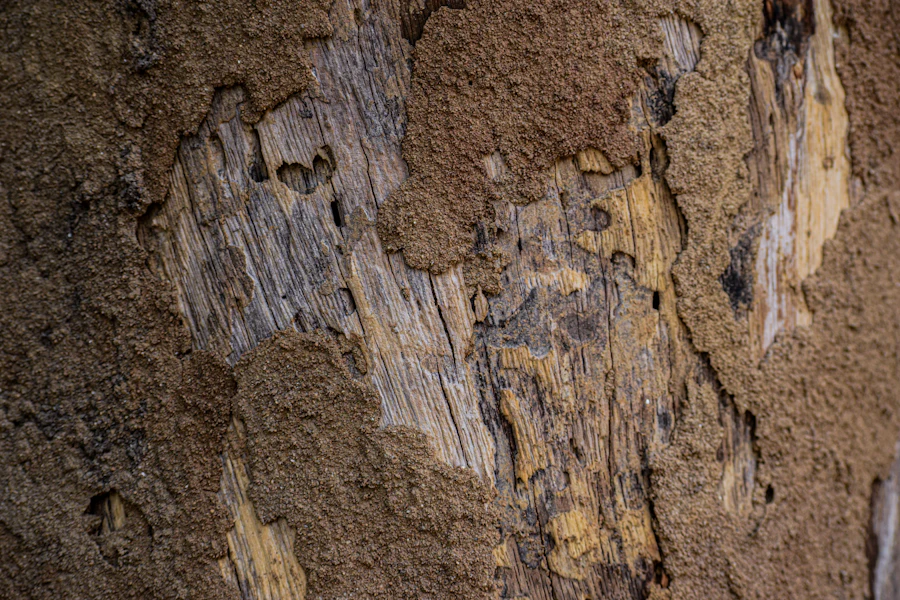
- Mud tubes — pencil-width dirt tunnels climbing the slab edge, garage walls, or plumbing penetrations. The classic RGV find.
- Swarmers — winged termites indoors, usually after a warm rain, often near windows. Shed wings on the sill count too.
- Hollow or blistered wood — baseboards and door frames that sound papery, paint that bubbles over intact-looking wood.
- Nothing at all — the most common sign. Termites eat from the inside; that's why the free inspection exists.
How treatment works here
For the subterranean termites that dominate the Valley, the standard is a liquid soil treatment — a continuous treated zone around and under the foundation's entry points. Termites tunnel through it, carry it back, and the colony collapses; done right, one treatment protects for years. Pricing depends on the home's linear footage and slab layout, typically $800–$1,800 for an average Valley single-story — you'll get the exact number in writing after the inspection, plus what it covers and for how long. Drywood termites (less common inland, but they turn up) are a different treatment conversation entirely, which is one reason a real inspection beats a phone guess.
What makes the RGV a termite hotspot
No winter freeze means colonies forage year-round instead of pausing — the same no-winter math our year-round protection plans are built around. Lawn irrigation keeps the soil moisture right where termites want it — up against the slab. And decades of citrus and farmland conversion mean many subdivisions in McAllen, Pharr, and Alamo sit on ground that fed termite colonies long before it held houses. Older neighborhoods with mature trees and original plumbing penetrations see the most activity, but new construction isn't exempt — builders' pre-treatments wear out, usually quietly, at year 5–10.
The honest version of "termite prevention"
Things that genuinely help and cost nothing: keep mulch and soil grade a few inches below slab level, fix hose bibs and AC condensate lines that keep one patch of soil permanently wet (the same wet spots that breed the backyard's mosquitoes), don't stack firewood against the house, and glance at your slab edge for mud tubes once a season. Things that don't help: the hardware-store termite sprays — surface sprays kill the ones you see and leave the colony untouched. If you find a tube, don't knock it down before someone looks at it; an active tube tells an inspector far more than a cleaned wall. What that look covers, along the slab and room by room, is on the McAllen termite inspection page.
Checking the company before anyone treats
A termite treatment goes into the soil around the house, so it is fair to know who is doing it. The Texas Department of Agriculture publishes reports of current structural pest control licence holders as downloadable lists by category, commercial businesses among them. It is a published list, not a search box, but a business name can be found in it. Ask for the company's name exactly as licensed and look for it there. A request sent from this site goes to one licensed Texas structural pest control business; ask for its licensed name on the written quote.
Termite control questions
How much does termite control cost in McAllen?
Should I knock down a mud tube I find on the slab?
Do new homes in the Valley need termite protection?
The inspection is free. Finding out late isn't.
Termite inspections across McAllen, Mission, Edinburg, Pharr & Alamo.
Call (956) 436-5259