Ant Control in McAllen, TX Starts With Naming the Ant
On any McAllen Pest Defense request for ant control in McAllen, TX, the first job is always the same one: work out which of the Valley's ants is on the property, because the two that matter most here need opposite plans and a spray bought for the wrong one makes both worse.
Three questions that sort almost every ant call
- Do they trail, or do they swarm? A disciplined line from a crack to the sugar bowl or from a mound to the dog bowl is a trailing ant, fire ant or ordinary kitchen ant. A carpet of ants running in every direction at once with no line anywhere is the tawny crazy ant, and nothing else in the Valley moves like it.
- Mounds, or no mounds? Domes of loose soil in the lawn, along the sidewalk seam or beside the sprinkler box are fire ants. No mound at all, with nests turning up under flower pots, landscape timbers and the damp soil against the slab, is crazy ants again.
- A welt, or nothing? Fire ants sting, and the sting leaves a white pustule a day later. Crazy ants bite without leaving that mark. Kitchen ants do neither, which is most of why people put up with them for months.
Then add the one question that beats all three: where are they gathering? Inside the AC condenser, the pool pump or an outdoor outlet points at crazy ants. Fresh sod, the valve box and the fence line point at fire ants. The pantry shelf and the patio edge point at the trailing ants the general plan covers.
If it is tawny crazy ants
Stop buying sprays and read the Valley's crazy ant page before anything else: it covers why the AC unit fills with them, why the hardware-store products fail against a multi-queen network that reseeds from next door, and what a standing perimeter program does instead. The short version for a homeowner sorting the call is that crazy ants are a control program on the quarterly plan, never a one-time event, and neighbors treating together do better than one house holding the line.
If it is fire ants
The mound you can see is the smallest part of the colony, and the fire ant treatment page for McAllen explains why drenching it moves the queen sideways more often than it kills her. What works in Texas is the two-step bait job, broadcast first and mound by mound second, timed to when the ants are foraging, and on this site fire ant yard treatment is already part of the quarterly baseline. Acreage, pasture and orchard work is its own quote.
If it is neither: the kitchen and patio ants
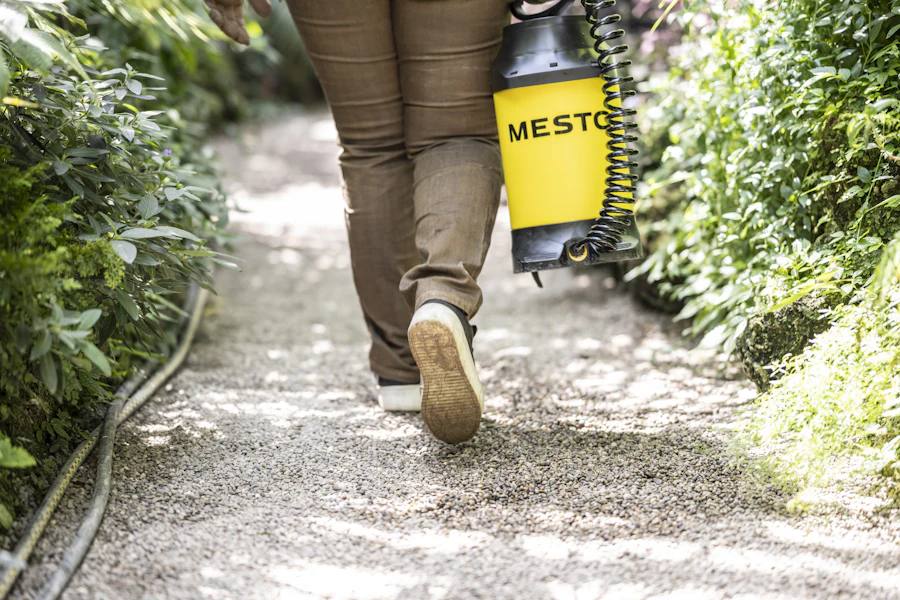
Most of the ant calls that are not one of the two headline species are small trailing ants working a line along the counter, the dishwasher seam, the patio slab or the base of a citrus tree. They are exactly what the general quarterly plan is built for: an exterior-first treatment of the perimeter band, the weep holes, the eaves and the utility penetrations, the places they come in, with interior treatment on request and a free re-treat between visits if a line reappears. The published numbers are the plan's own, $110–$150 per visit after an initial service of $150–$250, and a one-time treatment at $150–$300 when the problem is a single line that wants a single answer. In Pharr the split runs by neighborhood: the new subdivisions north of the Expressway get fire ants on the fresh sod, the older blocks south of it get the trailing kitchen ants, and the free inspection is where we work out which house you have.
Why the can under the sink is the wrong first move for all three
A contact spray kills the ants that walk through it and teaches you nothing about which ant they were. Against fire ants it misses the queen; against crazy ants it clears a patch that refills in days; against a kitchen line it kills the foragers and leaves the nest in the wall to send more. Getting the name right first is what decides whether the answer is bait, a perimeter program or a plan visit, and that is the whole reason this page exists ahead of the treatment pages.
The wet-spot rule covers ants and mosquitoes at once
Three of the four ant answers above lead back to water: the dripping bib, the pot saucer, the AC condensate puddle, the strip of lawn the sprinkler over-waters. Fix those and the crazy ants lose their nesting cover, the fire ants lose the damp seam they favor, and the McAllen mosquito service that treats those same puddles has less to larvicide on its next monthly pass. It is the one piece of yard work that pays three pests at once.
Ant words you will hear at the inspection
A trail is the scent line foragers follow; a forager is the worker you see, never the queen. A mound is the fire ant's dome and a supercolony is the crazy ant's neighborhood-wide network of linked nests. A bait is food carried home to the queen; a non-repellent product is one the ants walk through and spread rather than avoid. The perimeter band is the treated zone around the foundation that stops the trailing ants at the wall.
Ant questions
Which ants are most common in McAllen?
Does the quarterly pest control plan cover ants?
Can you tell me which ant I have over the phone?
Name the ant. Then call the right page.
Ant identification and treatment across McAllen, Mission, Edinburg, Pharr & Alamo.
Call (956) 436-5259