Termite Inspection in McAllen, TX: What Gets Checked, What the Report Says, and What It Costs
A free termite inspection in McAllen, TX, requested through McAllen Pest Defense and carried out by a licensed pest control company, is its own job, separate from the treatment: a walk of the slab edge, a probe of the wood that matters, a look at the soil the Valley keeps wet, and a written note of what was found — with a written quote only if something was.
Why the inspection gets its own page
The termite control page is about treatment, the liquid soil barrier that ends a subterranean colony, and the booking page is the form that gets someone to your door. Neither says what happens in between, which is the part most people search for when they type termite inspection near me: what the inspector is looking for, how long it takes, and what the piece of paper at the end actually says. That is this page.
What the inspector looks at, in the order it happens
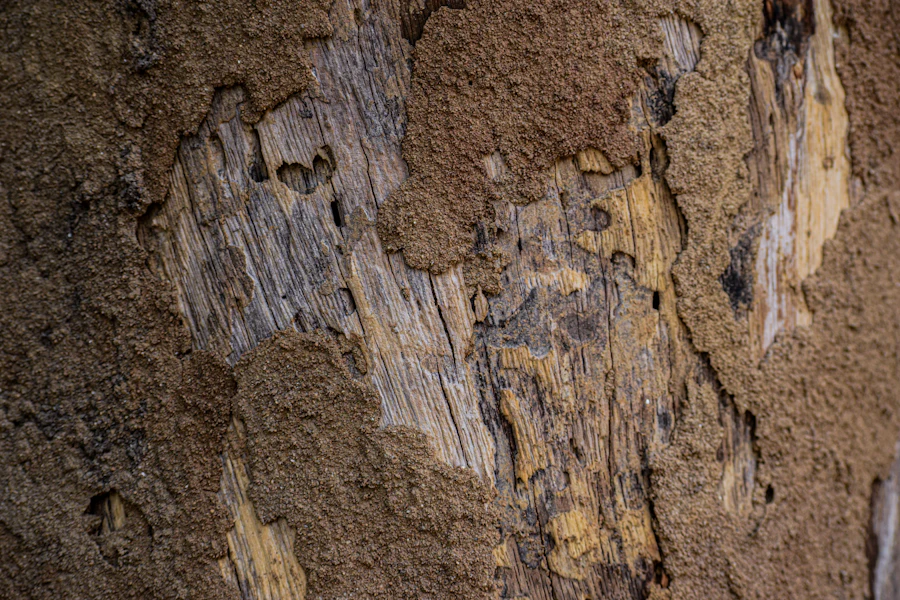
- The outside of the slab first. A slow walk of the whole foundation edge, low to the ground, looking for the pencil-wide dirt tunnels subterranean termites build to climb from soil to wood: at the weep holes, at every plumbing and utility penetration, along the garage slab lip, behind the AC pad.
- The soil the tubes start from. Mulch piled above slab level, a hose bib that keeps one patch wet, an AC condensate line dripping into the same corner all summer, irrigation heads throwing water on the foundation. These are the conditions the report names even when no termite is found, because they are the ones that invite the next colony.
- The wood indoors. Baseboards, door frames and window trim are sounded with a probe; wood that has been eaten from inside gives under it, and paint that has bubbled over wood that still looks whole gets a second look.
- The window sills for wings. Swarmers shed their wings after a flight, usually after a warm rain, and a scatter of identical wings on a sill is evidence even when the insects are long gone.
- The attic access, where there is one. Drywood termites are the less common inland species, but they turn up, and their sign is different enough that finding it changes the whole conversation about treatment.
How long a termite inspection takes
There is no clock on it, and the site does not publish a number because the honest answer is the house. What sets the time is the length and shape of the slab edge, whether there is a garage and an addition with their own perimeters, how much of the baseboard is reachable without moving furniture, and whether a second structure on the lot needs the same walk. The inspection is finished when every foot of the slab edge has been seen and the wood that matters has been probed, not when a timer runs out, and a rushed look that skips the back of the garage is the kind that misses the tube.
What the report says
Two things, and only two. First, what was found: tubes and where, damaged wood and where, wings on which sill, and the wet-soil conditions along the slab that need fixing regardless. That note is yours whether or not you ever book a treatment. Second, if there is activity, a written quote with the exact number, what the treatment covers and how long it protects for; the termite control page publishes the range that quote comes from, $800–$1,800 for an average Valley single-story liquid treatment, and the report turns that range into a figure. If nothing is found, the report says so and names when to look again. One request in the meantime: if you spot a tube before the visit, leave it. An active tube in place tells the inspector far more than the smear left after somebody knocked it down.
Who should book one this year
A house past its 25th year in McAllen, Edinburg's older core or south Pharr that has never had a termite inspection is the single most cost-effective call on this site, because the bad news only gets dearer with time. A house on the converted grove and farm ground under Mission, Pharr and Alamo sits on soil that fed colonies before it held slabs, and is worth a look every couple of years. A newer build is worth one between year five and ten, when the builder's pre-treatment tends to fade without announcing it. Anyone who saw winged insects indoors after a warm rain should call now rather than in the spring. Winter Texans returning in October can have the walk done before they arrive: the booking form takes a key-holder's number for exactly that reason.
What this page will not tell you
Nothing here says what Texas, a lender or a title company requires for the sale of a house, because that is a paperwork question between you and whoever is asking, and it is not one a pest inspection answers. What this page does say is what a free termite inspection in McAllen looks at, what the note at the end contains, and that the note costs nothing.
The wet spots do double duty
Every condition the inspector flags along the slab, the dripping bib, the condensate puddle, the over-watered bed against the foundation, is also standing water a mosquito can use, which is why the McAllen mosquito program's breeding-site sweep and a termite walk read the same edge of the house for two different pests.
Termite words on the report
A mud tube is the shelter tunnel termites build over anything they cannot eat through. A swarmer is a winged reproductive leaving to start a colony; the wings it drops are the clue. To probe or sound wood is to press and tap it for the give of a hollow. A pre-treat is the soil treatment a builder applies before the slab is poured, and its fading is why year five to ten matters. Subterranean termites nest in soil and are the Valley's usual; drywood termites live inside the wood itself and are the rarer find.
Termite inspection questions
Is a termite inspection free in McAllen?
What does a termite inspection cover?
How often should a McAllen home get a termite inspection?
The look is free. Finding out late isn't.
Termite inspections across McAllen, Mission, Edinburg, Pharr & Alamo — written note, written quote only if needed.
Call (956) 436-5259