Tick Control in McAllen, TX
Yard and Kennel Tick Treatment for Homes With Pets
Tick control in McAllen, TX, requested through McAllen Pest Defense, is a yard and kennel treatment carried out by the licensed Texas pest control business your request is routed to, and it is planned around the dog. The places the pet rests get treated, the pet itself goes to the veterinarian, and the two are timed together so neither one undoes the other.
The tick that lives where the dog lives
Most ticks are picked up out in brush and tall grass. One species turns that around and moves in with the household. Texas A&M AgriLife's Tick App page on the brown dog tick says dogs are its primary host at every life stage in North America, and that it is tied mainly to human habitations, animal pens and kennels in urban, suburban and rural settings, not to wild country. The same page explains why it is stubborn: one female can lay up to 4,000 eggs, larvae and nymphs may persist for six to nine months, and adults have been reported to survive unfed for more than 18 months. It is also the tick people find indoors, in the Tick App's words "literally crawling up the walls."
No winter to wait for in the Valley
The Tick App notes that this tick's activity generally runs from late spring to early autumn, but that it may stay active year-round in the warmer parts of its range. McAllen is warm by any measure: NOAA's 1991 to 2020 climate normals put the city's normal January low at 52.7°F, the coldest of the year. Waiting for cold weather to end a tick problem is not a plan that fits Hidalgo County, and a treatment started in October is not a wasted one.
Yard tick treatment: where the product goes
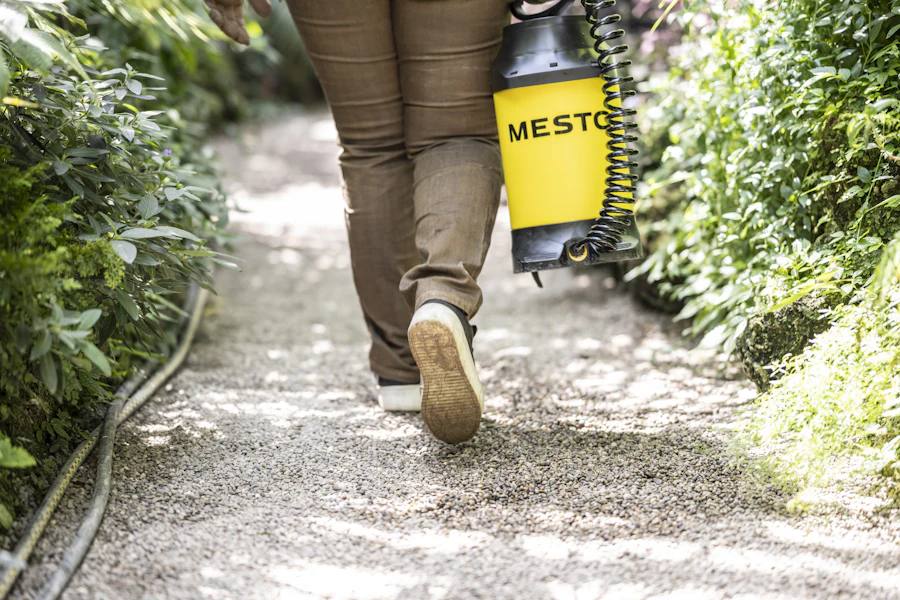
Not across the whole lawn. Ticks cannot fly. They climb a grass stem, a fence post or a wall and wait for a host to brush past, and they keep out of direct sun. A Texas A&M AgriLife Extension tick control sheet says a broadcast treatment over the entire lawn is not necessary for that reason. The treatment goes where the pet rests and travels and where the shade holds:
- The kennel, the dog house and the dog run, including the ground under and around them.
- Under the porch, the deck and the back steps.
- Shrub beds and tall ornamental grass the dog pushes through.
- The fence line, above all the shaded side and the corners a dog patrols.
- The foundation band and the door thresholds, so fewer ticks ride or crawl inside.
The products are labeled for residential use and applied to the label. People and pets stay off treated areas until they are dry, and the technician gives the re-entry guidance on the day.
Ticks on dogs: the vet's half and the yard's half
A pest control business treats property, not pets. The dog's own tick prevention, whether a collar, a topical or a tablet, is a veterinarian's decision, and nothing on this page replaces it. What matters is timing. Treat the dog and leave the kennel alone, and the dog picks up the next wave from its own bed. Treat the yard and leave the dog alone, and the dog carries ticks back onto treated ground. Book the vet and the yard visit for the same week, wash or replace the pet's bedding at the same time, and vacuum the rooms where the dog sleeps. Anything about a bite, or a pet that seems unwell, is a question for the veterinarian or a doctor, not for a pest control page.
If ticks are already inside the house
Because this tick is found indoors as well as out, some requests are about the house as much as the yard: ticks along a baseboard, around a window frame, or near the spot where the dog sleeps. Say so on the call, or in the details box on the form. Interior work needs someone home. It is aimed at cracks, edges and the pet's resting places, not at open floors, and the inspection decides how much of the house is involved. Eggs already laid keep hatching after the adults are gone, so ask what the plan is for a second visit and get it in the written quote.
Tick control prices: what is published and what is quoted
This site has no separate tick price. What it publishes is the plan, on the plans and pricing page: an initial service at $150–$250, quarterly visits at $110–$150 per visit, and a one-time treatment for a specific problem at $150–$300. The quarterly visit's exterior band is the baseline. A yard and kennel tick treatment is quoted after the free inspection, on top of the plan or on its own, because yard size, the number of dogs and whether ticks are already indoors change the work. The number is written down before anything is applied.
What helps before the visit
- Mow, and cut back the weeds and tall grass along the fence.
- Trim the low branches and shrubs the dog pushes under, so sun reaches the ground.
- Clear brush piles, and keep lumber, pots and garden supplies off the ground.
- Wash or replace the bedding in the kennel and the dog house.
- Check the dog after time outdoors, and ask the vet about anything you find.
None of that replaces treatment once ticks are established, but a tidier yard leaves fewer places for ticks, and for the animals that carry them in, to hide.
The same shade, two pests
The shaded foliage, fence lines and under-deck spaces where ticks wait are the resting surfaces a mosquito barrier treatment covers too, so a home already on the backyard mosquito visit that works those same shaded edges can have the tick question answered on the same inspection.
Tick terms on the visit
A host is the animal a tick feeds on, here most often the dog. Questing is a tick waiting on a stem, a post or a wall for a host to pass. Larva, nymph and adult are the three feeding stages after the egg, and each needs its own blood meal before the next. Residual means the product keeps working after it dries.
Tick control questions
How much does an exterminator cost for ticks in McAllen?
What kills ticks in the yard?
Does tick control include treating the dog?
Who performs the tick treatment?
Treat the yard and the dog in the same week.
Tick control across McAllen, Mission, Edinburg, Pharr & Alamo, quoted after a free inspection.
Call (956) 436-5259